The evolution of gambling tracing its historical roots and cultural impact
The Origins of Gambling
The history of gambling can be traced back to ancient civilizations, with evidence of its practice dating as far as 3000 BC in China. Archaeological findings suggest that early forms of gambling involved dice games, which were made from materials such as bone and ivory. Similarly, ancient Egyptians played games of chance using similar methods, showcasing how gambling was deeply rooted in human culture. With the emergence of online gaming, players now have the option to explore pay id pokies, blending traditional elements with modern technology.

Throughout history, various cultures have adopted their unique forms of gambling, whether through betting on outcomes of sporting events or participating in games of chance. The Greeks introduced more organized forms of betting with the establishment of formal games during festivals, while the Romans incorporated gambling into their entertainment, making it a social activity that spanned all classes.
The Rise of Gambling in the Middle Ages
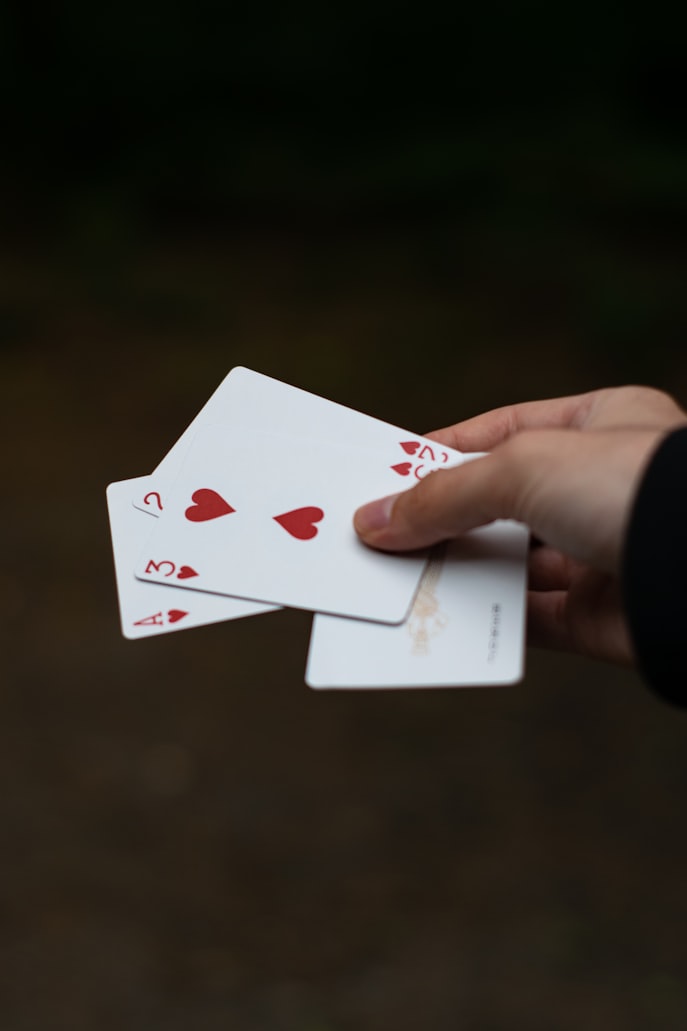
During the Middle Ages, gambling continued to evolve and gain popularity across Europe. The establishment of gaming houses and the advent of playing cards marked a significant development in the gambling landscape. Cards, believed to have originated in China before spreading to Europe, brought new dynamics to betting, allowing for strategy and chance to intertwine in unprecedented ways.
This period also saw the emergence of lotteries, which were used by governments to fund public projects and military efforts. Lotteries became a popular means of raising funds while providing citizens with the chance to win substantial prizes, blending civic duty with the thrill of gambling.
The Cultural Impact of Gambling
Gambling has had a profound cultural impact, influencing literature, art, and societal norms. From Shakespeare’s plays that feature gamblers to classic novels that explore themes of chance and fate, the concept of gambling has been a rich source of inspiration for storytellers. This reflects humanity’s fascination with luck and the unpredictable nature of life.
Moreover, gambling has served as a social bonding activity, bringing people together in various settings, from casinos to informal gatherings. This communal aspect highlights how gambling can enhance social interaction, providing a shared experience that transcends individual motivations.
Modern Gambling and Regulation
In contemporary society, gambling has undergone significant transformations, especially with the rise of online platforms. The digital age has revolutionized how people engage with gambling, making it more accessible than ever. Today, individuals can participate in various forms of gambling from the comfort of their homes, which has led to an increase in its popularity across different demographics.
However, this accessibility has raised concerns about responsible gambling practices. Many jurisdictions have implemented regulations to promote safe gambling behaviors, emphasizing the importance of understanding the risks and setting limits to prevent addiction. Education and awareness initiatives are crucial in ensuring that the enjoyment of gambling does not lead to harmful consequences.
Exploring Responsible Gambling Practices
As gambling continues to evolve, the importance of responsible gambling practices cannot be overstated. Recognizing the signs of problem gambling and understanding personal limits are vital components of a healthy gambling experience. Various resources and support systems are available to help individuals manage their gambling habits effectively.
By fostering a culture of responsible gambling, society can enjoy the entertainment and excitement that gambling offers while minimizing risks. It is essential for both players and operators to work together to create an environment that prioritizes safety and enjoyment, ensuring that gambling remains a fun activity rather than a detrimental one.
Leave a Reply